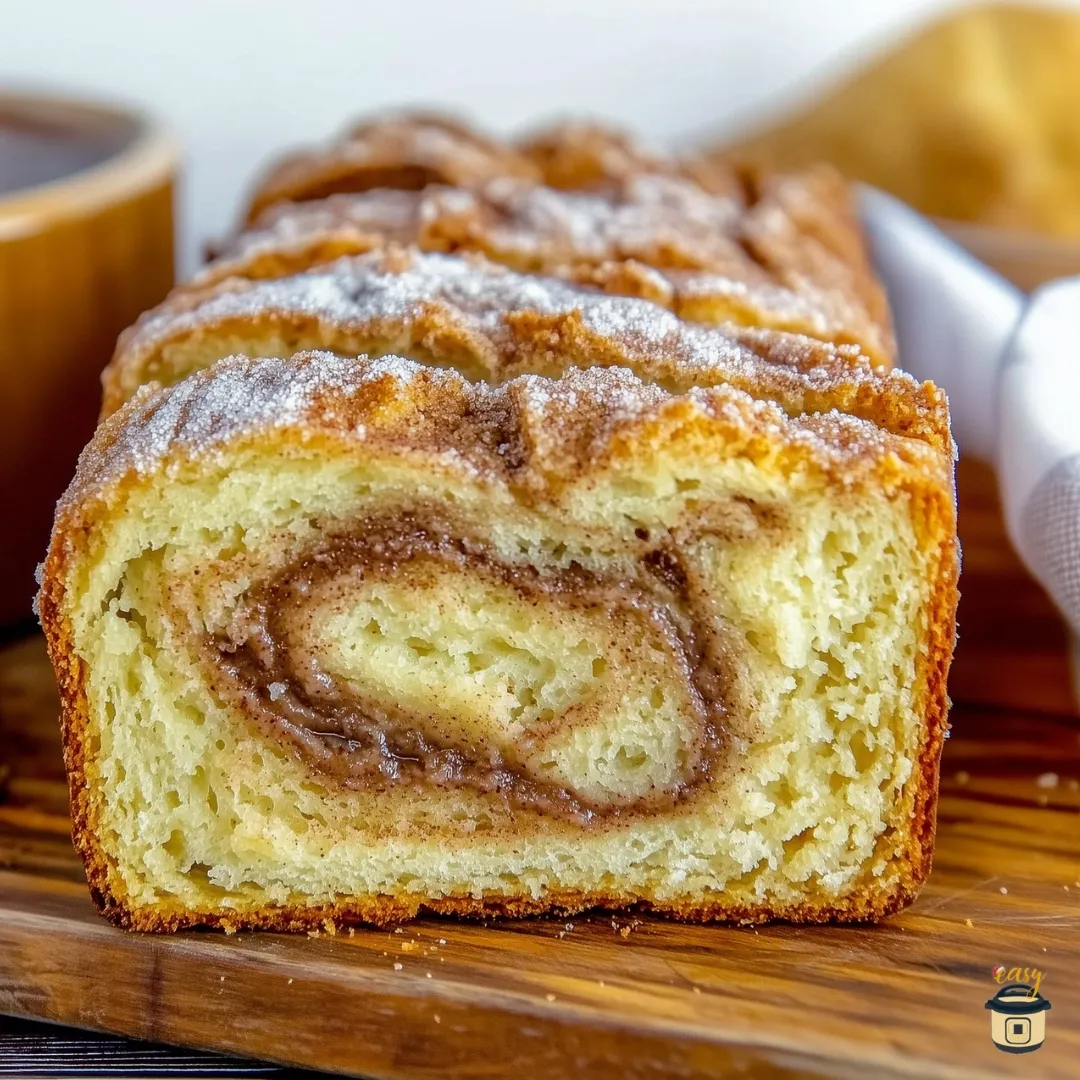
There are few aromas as comforting and inviting as fresh-baked bread, especially when it’s infused with the warm, sweet scent of cinnamon. Among the myriad of home-baked delights, Amish cinnamon bread stands out as a true masterpiece of simplicity and flavor. This beloved treat, celebrated for its incredibly moist crumb, rich buttery base, and irresistible cinnamon-sugar swirl, embodies the very essence of homemade goodness. More than just a recipe, it's a tradition, a source of warmth, and a guaranteed crowd-pleaser that transforms any ordinary morning or afternoon into a moment of pure indulgence.
Whether you're new to baking or a seasoned pro, mastering this classic is a rewarding experience that promises delicious results. Forget complicated techniques or exotic ingredients; the beauty of Amish cinnamon bread lies in its straightforward approach and the magic that happens when simple, quality components come together. This comprehensive guide will walk you through every step, revealing the secrets to achieving that perfect balance of sweet, tender, and utterly craveable goodness, making your kitchen the heart of irresistible aromas.
The Enduring Appeal of Amish Cinnamon Bread: A Culinary Tradition
The Amish community is renowned for its steadfast commitment to tradition, craftsmanship, and a lifestyle that emphasizes simplicity and self-sufficiency. Within this rich cultural tapestry, food plays a central and cherished role, with recipes often passed down through generations, each telling a story of family, heritage, and community. Amish Cinnamon Bread: A Beloved Recipe Passed Down Generations, is a perfect embodiment of these values. It’s not just a bread; it's a taste of history, a slice of comfort that harks back to simpler times.
This comforting loaf distinguishes itself from other cinnamon breads through its unparalleled moisture and tender, melt-in-your-mouth texture. It’s a versatile staple that fits seamlessly into various parts of the day – a hearty start to breakfast, a delightful accompaniment to an afternoon tea, or a satisfying snack for unexpected cravings. The joy of baking it isn't just in the eating; it's in the process, the way the kitchen fills with an irresistible aroma that seems to beckon everyone to gather around, fostering a sense of togetherness and warmth that defines the Amish way of life. It’s a reminder that often, the most cherished things in life are those made with love and shared with care.
The Secret Behind the Signature Moist & Sweet Texture
What makes a truly exceptional Amish cinnamon bread? It’s a delicate dance of specific ingredients, each playing a crucial role in creating that characteristic moist, tender, and richly flavored crumb. Understanding the function of each component is key to replicating the authentic taste and texture.
- Softened Butter: This isn't just about flavor; it's about texture. Creaming softened, room-temperature butter with sugar is the first crucial step. This process incorporates tiny air pockets into the mixture, which are then retained during baking, leading to that rich, tender crumb that literally melts in your mouth. Butter also contributes a luxurious richness and a beautiful golden hue.
- Granulated Sugar: Beyond providing sweetness, sugar plays a vital role in tenderizing the bread and contributes to the crispness of the crust. When creamed with butter, it helps create the light and airy base for the batter.
- Eggs: Eggs are the binding agents that bring everything together, adding structure and stability to the loaf. They also contribute significant richness, moisture, and help create a beautifully uniform texture. Using room temperature eggs aids in emulsification, resulting in a smoother, more cohesive batter.
- Buttermilk: This is arguably the hero ingredient for moisture and a subtle tang that beautifully balances the sweetness. Buttermilk’s acidity reacts with baking soda, creating carbon dioxide gas that helps the bread rise, resulting in an incredibly soft and tender loaf. Without it, the bread would be denser and less flavorful.
- All-Purpose Flour: Providing the necessary structure, all-purpose flour ensures the bread holds its shape without becoming overly dense. The key is to mix it gently and minimally to avoid over-developing the gluten, which can lead to a tough, chewy texture.
- Baking Soda: Working in conjunction with the acid in the buttermilk, baking soda is a powerful leavening agent. It's responsible for the beautiful rise and tender crumb, creating an open texture that makes the bread so delightful.
- Ground Cinnamon: The star of the show! High-quality, fresh cinnamon is essential for that unmistakable warm, sweet, and aromatic flavor that defines this bread. Generously swirled through the batter, it provides bursts of spicy sweetness in every bite.
The meticulous balance and interaction of these ingredients are what allow us to Crafting the Perfect Amish Cinnamon Bread: Moist, Buttery, Sweet, transforming simple pantry staples into a truly extraordinary baked good.
Step-by-Step Guide to Baking Perfect Amish Cinnamon Bread
Baking this delightful Amish cinnamon bread is a surprisingly straightforward process, delivering immense satisfaction with every step. Follow these detailed instructions for two wonderfully moist and sweet loaves.
Preparation is Key
- Gather Your Tools: You'll need two standard 9x5-inch loaf pans, mixing bowls, an electric mixer (stand or hand-held), and a rubber spatula.
- Grease and Flour Pans: This step is critical for easy release. Thoroughly grease the insides of both loaf pans with butter or cooking spray, paying extra attention to the corners. Then, dust them lightly with flour, tapping out any excess. This creates a non-stick barrier, ensuring your beautiful loaves slide out effortlessly after baking.
- Preheat Oven: Set your oven to 350°F (175°C). Proper preheating ensures the bread bakes evenly from the start.
- Room Temperature Ingredients: Ensure your butter, eggs, and buttermilk are at room temperature. This allows them to emulsify better, creating a smoother, more uniform batter.
Crafting the Batter
- Cream Butter and Sugar: In a large mixing bowl, using an electric mixer, cream the softened butter and granulated sugar together. Beat on medium speed for about 3 minutes, or until the mixture is light, fluffy, and pale yellow. This incorporates air, which is vital for a tender crumb.
- Add Eggs: Add the eggs one at a time, beating well after each addition until fully incorporated. Scrape down the sides of the bowl as needed. The mixture should appear smooth and glossy.
- Alternate Dry and Wet: In a separate bowl, whisk together the all-purpose flour and baking soda. With the mixer on low speed, begin adding the flour mixture to the butter mixture, alternating with the buttermilk. Start and end with the flour. For example, add about a third of the flour, mix gently until just combined, then add half the buttermilk, mix, then another third of the flour, the remaining buttermilk, and finally the last third of the flour.
- Mix Gently: Mix only until the ingredients are just combined and the batter looks thick and smooth. Be careful not to overmix, as this can develop the gluten in the flour, leading to a tough bread. A few small lumps are perfectly fine.
The Irresistible Cinnamon-Sugar Swirl
- Prepare Cinnamon Sugar: In a small bowl, combine the ground cinnamon and granulated sugar for the swirl. Use your fingers to thoroughly mix them, breaking up any clumps and ensuring an even distribution of cinnamon.
- Create Layers: Divide half of your batter evenly between the two prepared loaf pans, spreading it into an even layer with the back of a spoon or spatula.
- Sprinkle Cinnamon Sugar: Generously sprinkle about three-quarters of your cinnamon-sugar mixture over the first layer of batter in both pans. Ensure good coverage.
- Add Final Layer and Swirl: Carefully spoon the remaining batter over the cinnamon-sugar layer, trying not to disturb it too much. Gently spread it to cover the cinnamon sugar. Once covered, take a knife and gently run it through the batter in a few places, creating a figure-eight or zig-zag pattern. This creates that beautiful, distinctive swirl without overmixing.
Baking and Cooling
- Bake: Place the loaf pans in your preheated oven. Bake for approximately 50-60 minutes, or until the loaves are golden brown, fragrant, and a wooden skewer or toothpick inserted into the center comes out clean. If the tops brown too quickly, you can loosely tent them with aluminum foil.
- Cool: Once baked, remove the loaves from the oven and let them cool in their pans on a wire rack for about 10-15 minutes. This allows them to firm up slightly.
- Remove from Pans: After the initial cooling, carefully invert the loaves onto the wire rack to cool completely. Cooling completely before slicing is crucial for the best texture and flavor. Warm bread can be gummy, while fully cooled bread will have the perfect tender crumb.
Expert Tips for Your Best Amish Cinnamon Bread
To truly elevate your homemade Amish cinnamon bread from great to extraordinary, consider these expert tips and insights:
- Don't Skimp on Quality Ingredients: Since this recipe uses simple ingredients, their quality shines through. Use fresh, high-quality butter, fresh eggs, and good aromatic cinnamon for the best flavor. Stale spices can significantly impact the taste.
- The Art of Creaming: Don't rush the creaming of butter and sugar. This step is foundational for the bread's tender texture. Aim for a light, almost pale, fluffy mixture.
- Mindful Mixing: As emphasized, overmixing flour develops gluten, leading to a tough bread. Mix only until the ingredients are just combined. Some streaks of flour are better than a dense loaf.
- Perfect Swirl Technique: For a more pronounced swirl, after adding the second layer of batter, consider gently pushing some of the cinnamon-sugar mixture from the edges into the center before swirling. A few gentle passes with a knife are sufficient; too much swirling will mix everything together and lose the distinct layers.
- Testing for Doneness: Besides the toothpick test, gently tap the top of the loaf. It should sound hollow. The internal temperature of fully baked quick bread is usually around 200-210°F (93-99°C).
- Cooling is Non-Negotiable: While the aroma is tempting, resist the urge to slice into hot bread. Cooling allows the starches to set, the flavors to meld, and the bread to achieve its optimal moist, tender texture. Slicing too early can result in a gummy texture.
- Storage for Freshness: Once completely cooled, store your Amish cinnamon bread in an airtight container at room temperature for up to 3-4 days. For longer storage, wrap individual slices or whole loaves tightly in plastic wrap and then foil, and freeze for up to 2-3 months. Thaw at room temperature or gently warm in the oven.
- Customization Options: Feel free to experiment! A simple glaze (powdered sugar and milk) can be drizzled over the cooled bread. A sprinkle of chopped pecans or walnuts in the cinnamon swirl mixture can add a delightful crunch. Some even add a touch of vanilla extract to the batter for an extra layer of flavor.
By keeping these insights in mind, you're not just following a recipe; you're truly mastering the craft of baking a phenomenal Amish cinnamon bread.
Baking Amish cinnamon bread is more than just following a recipe; it's an experience that fills your home with warmth, comfort, and an aroma that promises pure delight. With its tender, buttery crumb and irresistible cinnamon-sugar swirl, this traditional treat proves that sometimes, the simplest recipes yield the most satisfying results. By understanding the role of each ingredient and mastering a few straightforward techniques, you can consistently produce loaves that are wonderfully moist, perfectly sweet, and guaranteed to become a cherished family favorite. So, roll up your sleeves, gather your ingredients, and prepare to create a culinary masterpiece that embodies the timeless appeal of homemade goodness. Enjoy every fragrant, flavorful bite!
